Charity
A year before The Winds that Blow Before the Rains was published, I happened to watch BBC2′s BAFTA award-winning documentary Zimbabwe’s Forgotten Children, screened in 2010. Now, you must understand that I know Africa well, but the documentary reminded me of the unimaginable suffering of orphaned and abandoned children who will never have a future as you and I know it. I could have closed the door after the film and carried on with my life, but I didn’t. I decided there and then to donate all the proceeds from The Winds that Blow Before the Rains and subsequent books towards helping orphaned and abandoned children in Zimbabwe.
In 2013 I sent the first cheque to a charity involved in giving these children more than the basics of survival – SOS Children’s Villages UK.
STATEMENT FROM SOS CHILDREN’S VILLAGES, ZIMBABWE
‘We are very touched and honoured that Michael Anthony would choose to make such a generous contribution to our cause. The proceeds from his book will go a long way in helping us to provide a loving home for HIV children in Zimbabwe. Please support us by buying the book, talking about it, sharing and debating the issues. All of this helps towards caring for desperate children that need our support, kids that might never have a future as you and I know it. Maybe one day they will have a little of what we all take for granted in the West.’
You may also have seen the documentary Zimbabwe’s Forgotten Children and been affected by the plight of the children featured in the film. The film seen above, tells the story of young sisters Esther and Tino and their struggle to survive, won the 2011 BAFTA for Best Current Affairs documentary. Esther, nine, is HIV-positive and lives in a squatter camp just outside the capital, Harare, in the north of the country. She lives in one small tent with her mother and her three-year-old sister, Tino, after the death of her father. The documentary follows Esther as she spends her days caring for her mother – who is confined to bed suffering from HIV / AIDS and whose condition is rapidly getting worse – while also taking sole responsibility for the care of her little sister. The family is reliant on food aid, and when this runs out they sleep without eating. Food shortages, poor hygiene and lack of medical facilities result in Esther and her sister frequently being ill. Their older sister, Yvette, left home to live on the streets and is rarely able to come back to help. Esther hasn’t been able to attend school for over a year. After her mother sadly passed away, the children came under the care of their uncle who moved into the camp to take responsibility for his sister’s piece of land. However, he does not provide adequate care for the children, often leaving them alone outside in the heat all day, unable to come inside the tent for food and water. The children, Esther and Tino, were welcomed by SOS Children’s Village Bindura and the time they spend settling in at the village community was documented in the follow-up screened on BBC2 on 17 March 2011.
SOS Children’s Villages is working across Zimbabwe to give children like Esther and Tino a chance to live a happy life. There are three SOS Children’s Villages in Zimbabwe: Bindura, Waterfalls and Bulawayo. Each Village consists of a group of family homes, each with between five and ten children living in them, cared for by a dedicated SOS mother. Where possible siblings are kept in a family group.
SOS Children’s Villages Zimbabwe was established in 1983. Over 1.6 million children have lost the care of their parents in Zimbabwe. HIV/AIDS has had a devastating effect on families and the communities they live in. Some steps have been made to protect the most vulnerable children, but much more remains to be done.
The majority of people continue to live in poverty
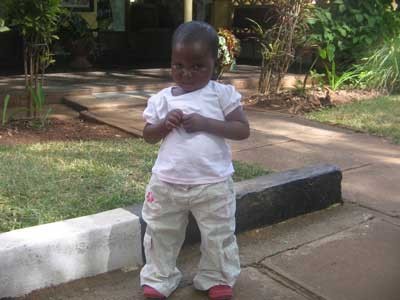
Around 14.5 million people live in Zimbabwe. The Zimbabwean economy is fragile and the effect on the labour market is dramatic as the majority of Zimbabweans remain underemployed or unemployed. Unemployment is particularly high in rural areas, and many people (especially men) move to urban areas in search of work. Unfortunately, they do not always find a stable job there either.
According to the World Bank, about 72 per cent of people live in poverty. Poverty is higher in rural areas than in urban areas. The poverty rates are highest in the south eastern regions of the country, where many people live off farming, but the land is not very productive and the area suffers frequent droughts.
An estimated 1.6 million children live in extreme poverty. These children do not have access to the most basic resources such as food, decent housing, safe drinking water and sanitation facilities.
HIV/AIDS remains a major public health problem
Poverty and the lack of employment often result in malnutrition. Around 28 percent of children under the age of five are stunted and 56 per cent of all children under 5 suffer from anaemia. In 2016, Zimbabwe faced one of the worst food crises of recent times. The number of households who did not have enough food nearly doubled and almost 33,000 children were in urgent need of treatment against malnutrition. In the south-western provinces of the country, over half of the population were struggling to avoid going hungry.
HI/AIDS is one of the country’s most pressing health issues. 14 per cent of Zimbabweans live a life with HIV/AIDS, one of the highest rates in the world. Out of over one million people infected, 180,000 are children. Children whose parents are HIV-positive are especially vulnerable. They risk becoming infected themselves, losing parental care, or may face social discrimination.
Access to health care is also problematic as it is often neither accessible nor affordable. This is especially true in rural areas where visiting the nearest clinic can involve long walks. When people get there, there is no guarantee that the centre will have the necessary equipment or medicines to treat their ailments.
Children are in need of protection and support
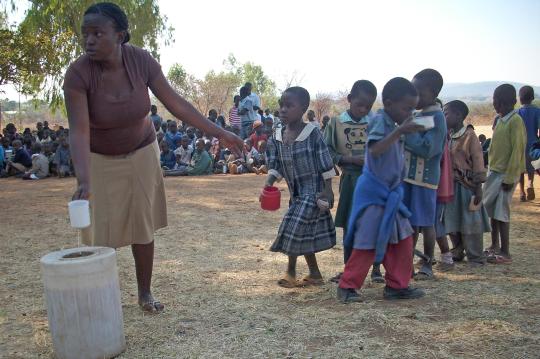
The rights of millions of Zimbabwean children need to be protected. A high number of children never receive a birth certificate, which increases their vulnerability and makes it difficult for them to be enrolled in school and seek medical attention.
Zimbabwe boasts one of Africa’s highest literacy rates and the country’s education system was once considered the best in the region. However, the situation has deteriorated recently and around 11 per cent of children do not attend school. Many families cannot afford to send their children to school. Instead the children are forced to go to work in order to contribute food and money to the family income. According to a study by the Zimbabwean National Statistics Agency, in some areas of the country, over half of the children work.
SOS Children’s Villages in Zimbabwe
SOS Children’s Villages has been supporting children, young people and families in Zimbabwe since 1983.
Strengthen families: SOS Children’s Villages works with local organisations and communities to support vulnerable families so that they can stay together. We ensure that they have access to basic goods and services such as health care and education. SOS also provide training and advice so that parents can break the cycle of poverty and generate an income to look after their children. Many of the families in our programmes need special support because they are affected by HIV/AIDS. By strengthening families, we prevent children from being forced to go out to work.
Care in SOS families: If, in spite of all support, children are unable to stay with their parents, they can find a new home in an SOS family. Children grow up with their brothers and sisters in a safe environment. Some families live integrated in the community. Wherever possible, SOS work closely with the children’s family of origin, so that the children can return to live with them.
Education: SOS Children’s Villages works to make sure that children receive a good education, which will help them care for themselves in the future. SOS run kindergartens, and primary and secondary schools in Zimbabwe. These educational centres are attended by children in our care and those from the neighbourhood.
Support for young people: SOS Children’s Villages support young people until they are able to live independently. SOS give them access to further education and vocational training so that they have the right skills to find a job, or start their own business.
Advocacy: SOS Children’s Villages work closely with state departments, local communities and organisations to improve the rights of children, in particular those who have lost, or are at risk of losing, parental care.
Supporting the SOS Children’s village communities in Zimbabwe
If you would like to contribute to SOS Children’s Villages work in Zimbabwe you can do so by sponsoring a child or sponsoring a village through the SOS UK office.
Your support will enable SOS Children’s Villages to provide at-risk children with:
- The chance to grow up in a supportive family environment
- A parent, and siblings, to care for them
- A secure home for the whole of their childhood
- A quality education from qualified teachers and trainers
- Access to healthcare
- The chance to belong to a supportive community.
To make a one off donation to where the need is greatest please: Donate to SOS Children
Images on this page © SOS Children in Zimbabwe
©Copyright Africa House Publishing